POEM for Achalasia Cardia: Advanced Scarless Treatment for Swallowing Disorders
Peroral Endoscopic Myotomy (POEM) is an advanced incisionless procedure that treats the root cause of achalasia and helps patients swallow comfortably again.
Gastroenterology Guide
10 Min Read
Dadar & Matunga, Mumbai
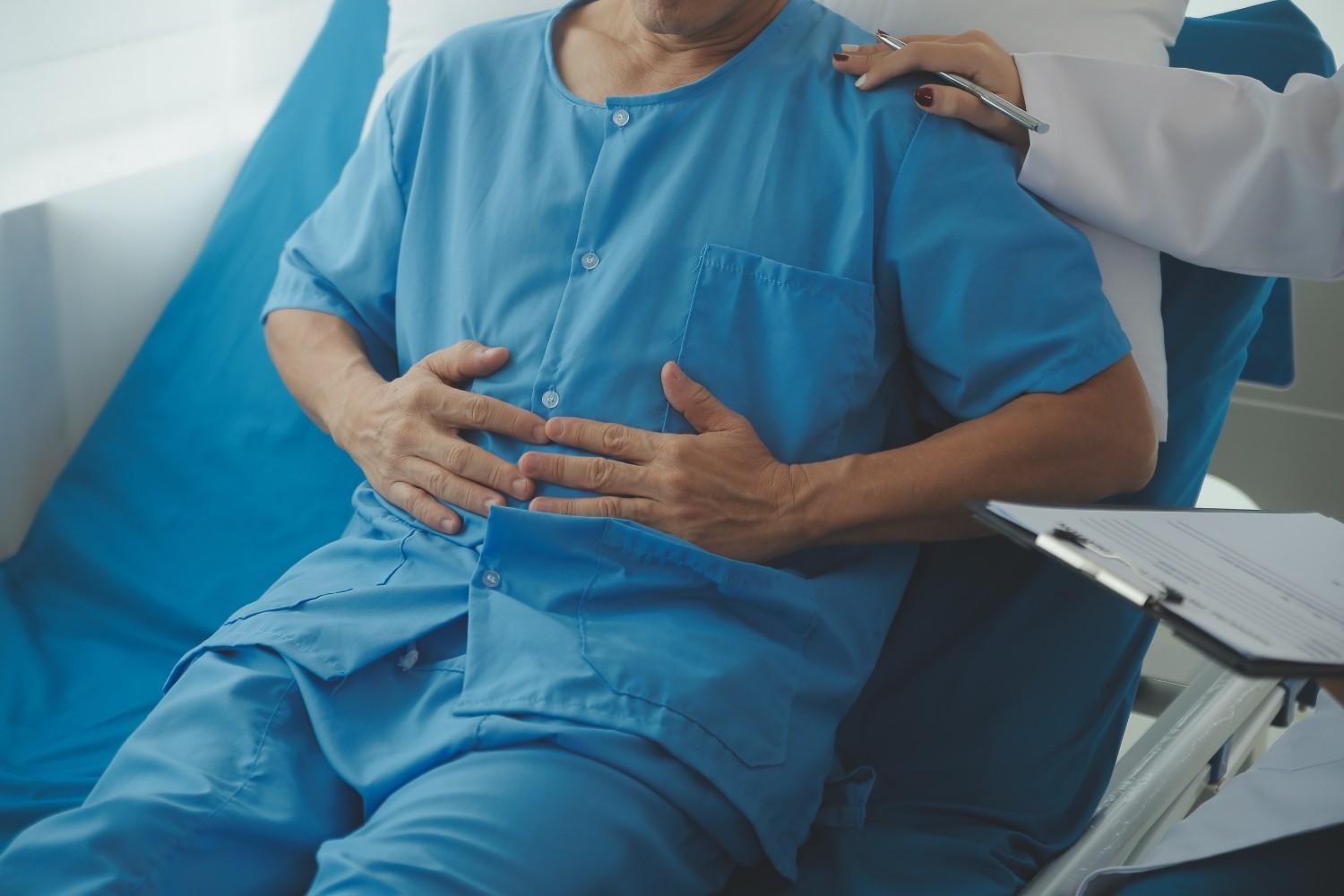
If you or a loved one are struggling with food getting stuck in the chest, regurgitation, chest pain, or unexplained weight loss, it may point toward a swallowing disorder called Achalasia Cardia. This rare esophageal motility disorder can deeply affect daily life, nutrition, and peace of mind.
POEM for Achalasia Cardia, also known as Peroral Endoscopic Myotomy, is a state-of-the-art endoscopic procedure performed through the mouth without external cuts. It offers a highly effective and minimally invasive solution for selected patients with achalasia and esophageal spasms.
Achalasia Cardia Treatment
Incisionless POEM Procedure
Swallowing Disorder Care
Expert evaluation helps confirm achalasia and decide whether POEM is the right treatment option
Understanding Achalasia
Understanding Achalasia Cardia and Swallowing Disorders
The esophagus is a muscular tube that carries food from the mouth to the stomach. At the lower end of this tube is a valve called the lower esophageal sphincter (LES), which normally relaxes to allow food to enter the stomach.
In achalasia cardia, the nerves controlling this process do not work properly. The esophagus loses its normal squeezing movement, and the LES fails to relax. As a result, food and liquids collect in the esophagus instead of passing smoothly into the stomach.
Common symptoms may include:
Food getting stuck in the chest
Difficulty swallowing solids or liquids
Regurgitation of undigested food
Chest pain or pressure
Unexpected weight loss
Coughing or choking episodes
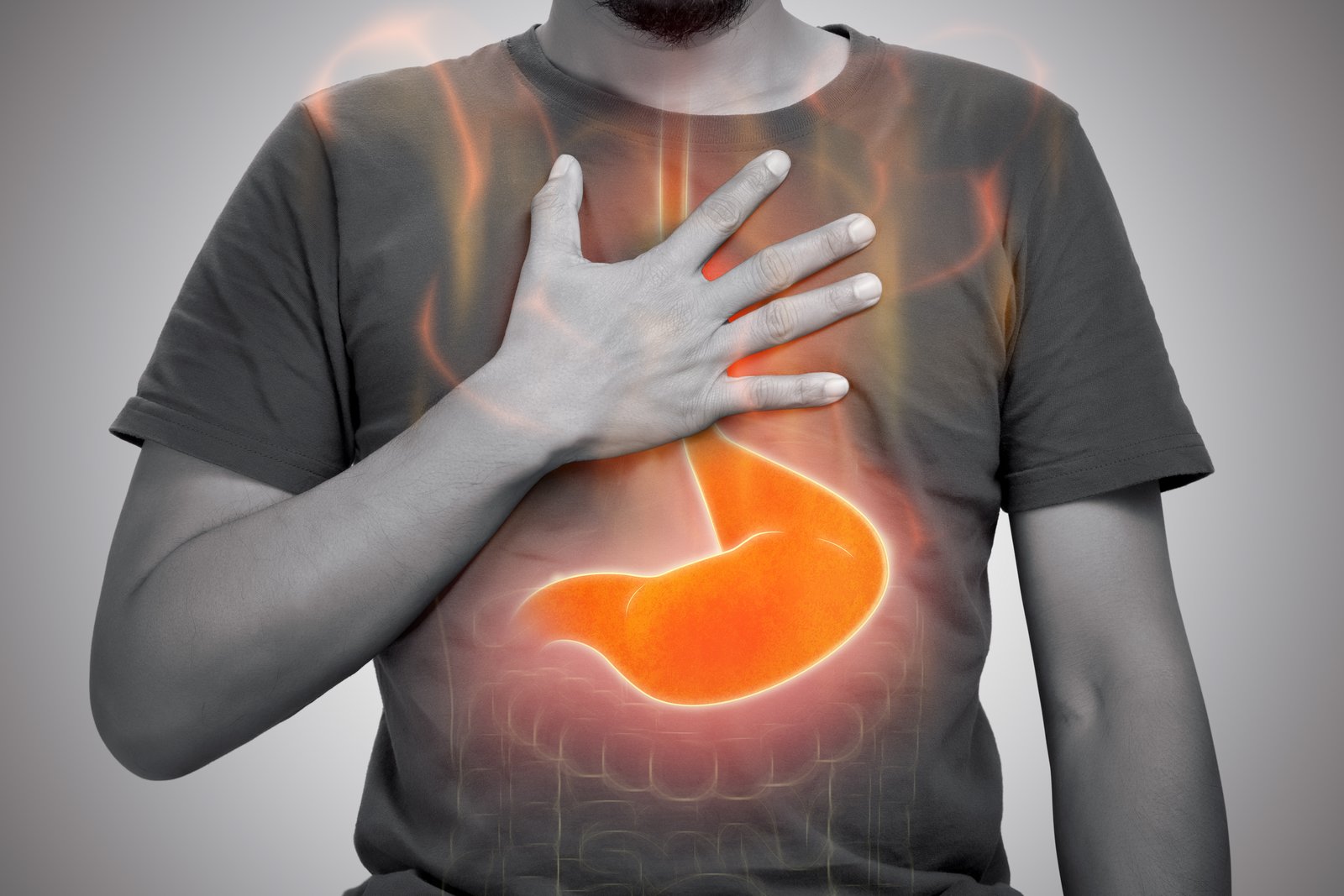
Heartburn-like symptoms
Recurrent symptoms despite reflux medicines
Because achalasia is uncommon, it may be mistaken for acid reflux or GERD in the early stages.
About POEM
What is Peroral Endoscopic Myotomy (POEM)?
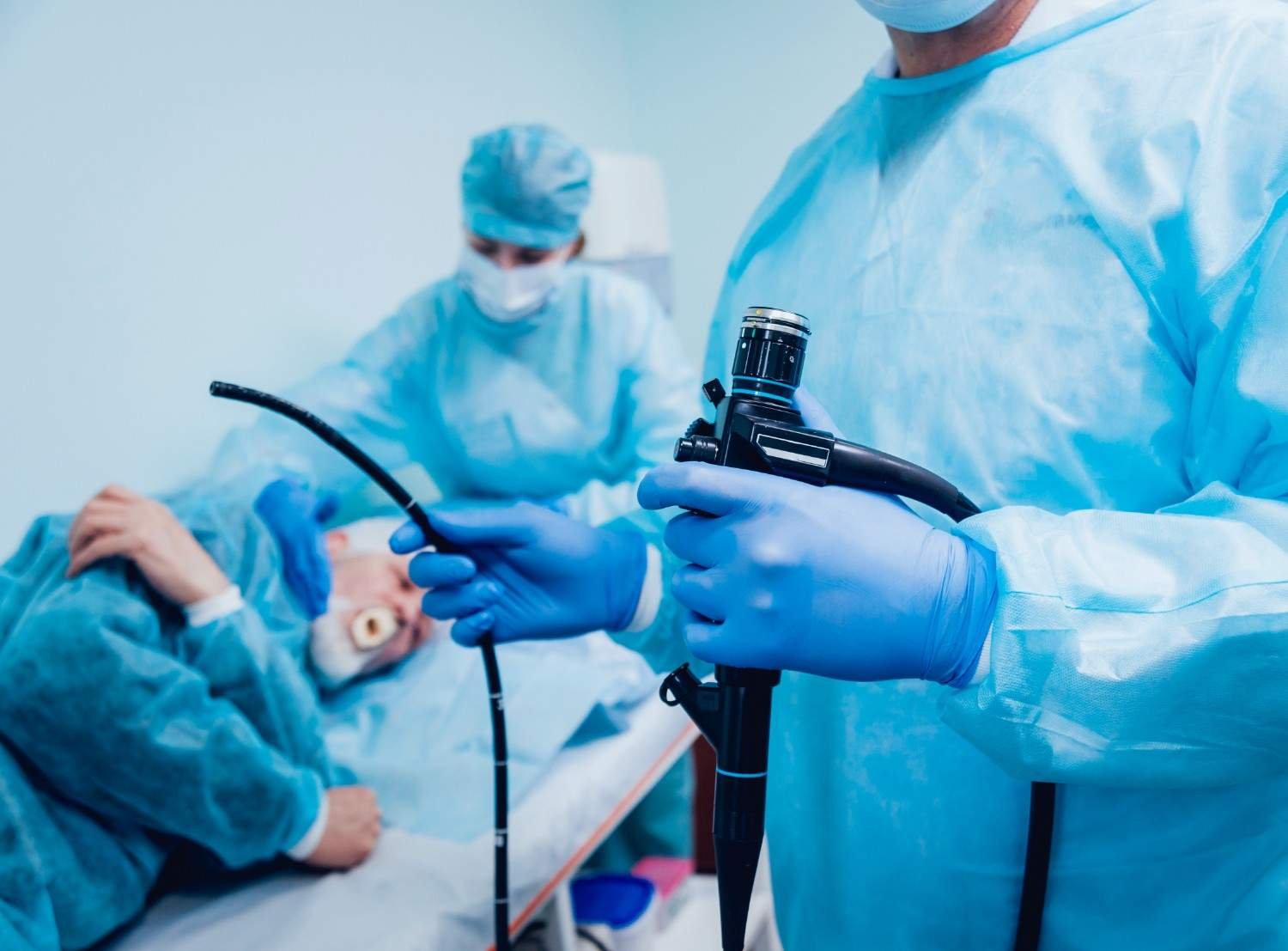
POEM stands for Peroral Endoscopic Myotomy. It is an advanced minimally invasive procedure that treats achalasia from inside the esophagus using an endoscope.
The meaning of POEM is simple:
Peroral: The doctor enters through the mouth
Endoscopic: A thin flexible camera is used
Myotomy: The tight muscle causing blockage is selectively cut
No external cuts on the chest or abdomen
Designed to treat the root cause of swallowing difficulty
Performed under general anesthesia
By releasing the tight muscle at the lower end of the esophagus, POEM helps food move into the stomach more smoothly.
Persistent swallowing difficulty needs accurate diagnosis before treatment
Tests such as manometry and endoscopy help confirm achalasia
Who Can Benefit?
Identifying the Ideal Candidates for POEM
POEM is generally suitable for adults and older children with significant swallowing difficulty caused by achalasia or esophageal muscle spasms. It may be considered when symptoms are affecting nutrition, weight, sleep, or quality of life.
POEM can be especially helpful for Type III or spastic achalasia because the doctor can extend the length of the muscle cut to treat the spastic segment more effectively.
It can also work as a rescue therapy for patients whose symptoms return after balloon dilation, botox injection, or previous surgery.
Who Should Avoid?
Medical Contraindications and Who Should Avoid POEM
POEM is a major advancement, but it may not be suitable for every patient. Your doctor will review your reports, medical condition, and risk factors before recommending the procedure.
POEM may not be advised in patients with:
Severe erosive esophagitis
Liver cirrhosis with portal hypertension
Significant bleeding or blood-clotting disorders
Severe esophageal scarring after radiation
Complex scarring after certain endoscopic treatments
Medical conditions that make anesthesia unsafe
Before Treatment
Pre-Operative Evaluation and Diagnostic Testing
Before planning POEM, your gastroenterologist needs a clear understanding of how your esophagus is functioning. This helps confirm the diagnosis and choose the right treatment approach.
Common tests may include:
1
Esophageal Manometry: Measures pressure and muscle contractions in the esophagus.
2
Barium Swallow X-ray: Shows the shape of the esophagus and may reveal a bird's beak narrowing.
3
Upper Endoscopy: Checks for blockage, inflammation, retained food, or other causes of symptoms.
4
24-Hour pH Metry: Evaluates acid reflux levels when required.
These tests help separate achalasia from GERD, strictures, or other swallowing problems.
Detailed testing helps plan a safe and effective POEM treatment strategy
Procedure Steps
The 4-Step POEM Procedure Explained
POEM is usually performed under general anesthesia and may take around 1 to 3 hours depending on the patient and complexity of the condition.
The procedure generally involves:
1
Mucosal Incision: A tiny entry cut is made in the inner lining of the esophagus.
2
Submucosal Tunneling: The endoscope creates a tunnel within the esophageal wall toward the tight valve.
3
Selective Myotomy: The restrictive muscle fibers are carefully cut to release the blockage.
4
Endoscopic Closure: The entry point is sealed with small clips so healing can begin.
Because the entire procedure is done through the mouth, there are no visible scars on the chest or abdomen.
Recovery
Recovery Timeline and Clinical Outcomes
Since POEM does not involve external incisions, recovery is usually faster than traditional surgery. Some patients may go home the same day, while others may stay in the hospital for 1 to 2 nights for observation.
Recovery and results commonly include:
Mild sore throat or temporary discomfort
Liquid diet for the first few days
Soft foods for about a week to 10 days
Gradual return to a normal diet
Improved ability to eat and drink
Clinical success rates reported around 82% to 98%
Durable long-term symptom relief in many patients
Your doctor will guide your diet progression and follow-up schedule based on your recovery.
Treatment Comparison
POEM vs. Heller Myotomy and Pneumatic Dilatation
Traditional laparoscopic Heller myotomy (LHM) and pneumatic dilatation (PD) are also used for achalasia. The right choice depends on achalasia type, patient health, past treatment history, and specialist recommendation.
1
POEM vs. LHM: Both can provide strong swallowing relief, but POEM is incisionless, causes less early post-operative pain, and is especially useful for Type III achalasia.
2
POEM vs. Pneumatic Dilatation: Balloon dilatation may give temporary relief, but POEM is often preferred for durable symptom control and fewer treatment failures.
3
Rescue Treatment: POEM can be considered even when symptoms return after botox, balloon dilatation, or prior surgery.
Benefits & Risks
Key Advantages and Possible Risks of POEM
POEM has become an important treatment option for achalasia because it is scarless, precise, and highly customizable. It can also be useful when previous treatments have failed.
Key points include:
No external cuts
No visible scars
Less early post-operative pain
Shorter hospital stay
Useful for Type III achalasia
Can work after failed prior treatment
Tailored muscle cut length
Faster return to routine
GERD may occur after POEM
Follow-up is important
One important drawback is post-POEM acid reflux. Since POEM does not include an anti-reflux wrap, some patients may need acid-suppressing medicines after the procedure.
Cost & Advances
Estimated Cost of POEM and Recent Advances
The cost of POEM can vary based on the hospital, city, doctor expertise, room category, investigations, and insurance coverage. In India, the procedure may generally range between ₹1,25,000 and ₹2,15,000, though the final estimate should always be confirmed with the treating hospital.
Research is also focused on improving POEM further, especially by reducing post-procedure reflux. Current areas of study include shorter versus longer muscle cuts, different cutting positions, and combining POEM with endoscopic anti-reflux procedures in selected cases.
Expert Care
Consult a Gastroenterologist for POEM in Mumbai
Living with achalasia cardia can make every meal feel difficult, but the right diagnosis and treatment can help you return to eating and living more comfortably.
Dr. Sanil Parekh, Gastroenterologist and Interventional Endoscopist in Dadar and Matunga, Mumbai, provides evaluation and advanced care for complex digestive and swallowing disorders.
If you are experiencing persistent difficulty swallowing, chest pain, food regurgitation, or unexplained weight loss, book a consultation to understand whether POEM is the right treatment option for you.
Need Help With Swallowing Difficulty?
Consult an expert for accurate diagnosis of achalasia cardia and personalized guidance on advanced treatments like POEM.
Everything you need to know about POEM, achalasia cardia, recovery, risks, and swallowing disorder treatment.
01
What is POEM for Achalasia Cardia?
POEM is an incisionless endoscopic procedure that treats achalasia by cutting the tight muscle at the lower end of the esophagus from inside.
02
Who is a good candidate for POEM?
Patients with achalasia cardia, severe swallowing difficulty, esophageal spasms, Type III achalasia, or recurrent symptoms after previous treatment may be suitable candidates.
03
Is POEM a scarless procedure?
Yes. POEM is performed through the mouth using an endoscope, so there are no external cuts or visible scars on the body.
04
How long does recovery take after POEM?
Many patients recover quickly, starting with liquids for a few days and then soft foods for about a week to 10 days before returning gradually to normal eating.
05
Can acid reflux happen after POEM?
Yes, acid reflux can occur after POEM because the tight valve is opened. It is usually managed with medicines and regular follow-up.
Patient Experiences
What Patients Say
Read experiences shared by patients who consulted Dr. Sanil Parekh for
digestive and gastroenterology concerns.
Google Reviews
T
Tiana
I had an exceptional experience with Dr. Sanil Parekh. His expertise was instrumental in addressing my persistent digestive issues. He conducted a comprehensive evaluation, explaining each step carefully and addressing all my concerns with patience and empathy. I highly recommended Dr. Sanil Parekh to anyone in need of gastroenterological care.
N
Nitin Agnihotri
I had indigestion issues since last many years. I visited Dr. Sanil Parekh at his Dadar clinic for treatment. Dr. Sanil listened to all my issues patiently and recommended the medicines and diet. Since then I never had any problems related to indigestion, acidity etc. My sincere thanks to Dr. Sanil Parekh.
M
Mahesh Jain
My spouse had acidity problems and I had severe constipation symptoms. We consulted Dr. Sanil Parekh at Lifeline Clinic. He was very approachable, heard us out patiently, understood the problem and took time to explain the treatment. His approach was refreshing and included practical diet changes.
P
Prashant Kawde
Dr. Sanil Parekh is known as One Of Best Gastroenterologist in Parel.
S
Sahil Ahirwar
Had an excellent experience with Dr. Sanil Parekh at Parel Hospital. He is highly knowledgeable, patient, and takes the time to explain the diagnosis clearly. The treatment provided was highly effective. Strongly recommend him for any stomach or digestive issues.
M
Meghana Joshi
I came to Parel Hospital for fatty liver and stomach problems. Met Dr. Sanil Parekh Sir. After the treatment I am feeling much better now. Thanks to Sanil Sir for their guidance and support. He is very polite and explaining in very clear manner. I am fully satisfied with the treatment given to me. A very good experience with Dr. Sanil Parekh Sir.
S
Sanam Jamadar
I had suffered digestive problem. Dr. Sanil Parekh provided exceptional care from diagnosis to recovery. His attention to detail and genuine concern made all the difference. Now I am feeling much better. Thank you.
S
Shreyasi
Had consulted Dr Parekh a couple of years back for severe GERD. My experience was that he took the time to listen and understand my symptoms which prior doctors had not done. For patients who are already suffering, finding the right doctor is a boon but finding one who leads with proficiency and empathy is rare - definitely recommend.
S
Sahil Ahirwar
Best gastroenterologist in dadar. Excellent doctor! Dr. Sanil Parekh listened carefully and provided a highly effective treatment.
T
Tiana
I had an exceptional experience with Dr. Sanil Parekh. His expertise was instrumental in addressing my persistent digestive issues. He conducted a comprehensive evaluation, explaining each step carefully and addressing all my concerns with patience and empathy. I highly recommended Dr. Sanil Parekh to anyone in need of gastroenterological care.
N
Nitin Agnihotri
I had indigestion issues since last many years. I visited Dr. Sanil Parekh at his Dadar clinic for treatment. Dr. Sanil listened to all my issues patiently and recommended the medicines and diet. Since then I never had any problems related to indigestion, acidity etc. My sincere thanks to Dr. Sanil Parekh.
M
Mahesh Jain
My spouse had acidity problems and I had severe constipation symptoms. We consulted Dr. Sanil Parekh at Lifeline Clinic. He was very approachable, heard us out patiently, understood the problem and took time to explain the treatment. His approach was refreshing and included practical diet changes.
P
Prashant Kawde
Dr. Sanil Parekh is known as One Of Best Gastroenterologist in Parel.
S
Sahil Ahirwar
Had an excellent experience with Dr. Sanil Parekh at Parel Hospital. He is highly knowledgeable, patient, and takes the time to explain the diagnosis clearly. The treatment provided was highly effective. Strongly recommend him for any stomach or digestive issues.
M
Meghana Joshi
I came to Parel Hospital for fatty liver and stomach problems. Met Dr. Sanil Parekh Sir. After the treatment I am feeling much better now. Thanks to Sanil Sir for their guidance and support. He is very polite and explaining in very clear manner. I am fully satisfied with the treatment given to me. A very good experience with Dr. Sanil Parekh Sir.
S
Sanam Jamadar
I had suffered digestive problem. Dr. Sanil Parekh provided exceptional care from diagnosis to recovery. His attention to detail and genuine concern made all the difference. Now I am feeling much better. Thank you.
S
Shreyasi
Had consulted Dr Parekh a couple of years back for severe GERD. My experience was that he took the time to listen and understand my symptoms which prior doctors had not done. For patients who are already suffering, finding the right doctor is a boon but finding one who leads with proficiency and empathy is rare - definitely recommend.
S
Sahil Ahirwar
Best gastroenterologist in dadar. Excellent doctor! Dr. Sanil Parekh listened carefully and provided a highly effective treatment.
M
Meghana Joshi
I came to Parel Hospital for fatty liver and stomach problems. Met Dr. Sanil Parekh Sir. After the treatment I am feeling much better now. Thanks to Sanil Sir for their guidance and support. He is very polite and explaining in very clear manner. I am fully satisfied with the treatment given to me. A very good experience with Dr. Sanil Parekh Sir.
S
Sanam Jamadar
I had suffered digestive problem. Dr. Sanil Parekh provided exceptional care from diagnosis to recovery. His attention to detail and genuine concern made all the difference. Now I am feeling much better. Thank you.
S
Shreyasi
Had consulted Dr Parekh a couple of years back for severe GERD. My experience was that he took the time to listen and understand my symptoms which prior doctors had not done. For patients who are already suffering, finding the right doctor is a boon but finding one who leads with proficiency and empathy is rare - definitely recommend.
S
Sahil Ahirwar
Best gastroenterologist in dadar. Excellent doctor! Dr. Sanil Parekh listened carefully and provided a highly effective treatment.
T
Tiana
I had an exceptional experience with Dr. Sanil Parekh. His expertise was instrumental in addressing my persistent digestive issues. He conducted a comprehensive evaluation, explaining each step carefully and addressing all my concerns with patience and empathy. I highly recommended Dr. Sanil Parekh to anyone in need of gastroenterological care.
N
Nitin Agnihotri
I had indigestion issues since last many years. I visited Dr. Sanil Parekh at his Dadar clinic for treatment. Dr. Sanil listened to all my issues patiently and recommended the medicines and diet. Since then I never had any problems related to indigestion, acidity etc. My sincere thanks to Dr. Sanil Parekh.
M
Mahesh Jain
My spouse had acidity problems and I had severe constipation symptoms. We consulted Dr. Sanil Parekh at Lifeline Clinic. He was very approachable, heard us out patiently, understood the problem and took time to explain the treatment. His approach was refreshing and included practical diet changes.
P
Prashant Kawde
Dr. Sanil Parekh is known as One Of Best Gastroenterologist in Parel.
S
Sahil Ahirwar
Had an excellent experience with Dr. Sanil Parekh at Parel Hospital. He is highly knowledgeable, patient, and takes the time to explain the diagnosis clearly. The treatment provided was highly effective. Strongly recommend him for any stomach or digestive issues.
M
Meghana Joshi
I came to Parel Hospital for fatty liver and stomach problems. Met Dr. Sanil Parekh Sir. After the treatment I am feeling much better now. Thanks to Sanil Sir for their guidance and support. He is very polite and explaining in very clear manner. I am fully satisfied with the treatment given to me. A very good experience with Dr. Sanil Parekh Sir.
S
Sanam Jamadar
I had suffered digestive problem. Dr. Sanil Parekh provided exceptional care from diagnosis to recovery. His attention to detail and genuine concern made all the difference. Now I am feeling much better. Thank you.
S
Shreyasi
Had consulted Dr Parekh a couple of years back for severe GERD. My experience was that he took the time to listen and understand my symptoms which prior doctors had not done. For patients who are already suffering, finding the right doctor is a boon but finding one who leads with proficiency and empathy is rare - definitely recommend.
S
Sahil Ahirwar
Best gastroenterologist in dadar. Excellent doctor! Dr. Sanil Parekh listened carefully and provided a highly effective treatment.
T
Tiana
I had an exceptional experience with Dr. Sanil Parekh. His expertise was instrumental in addressing my persistent digestive issues. He conducted a comprehensive evaluation, explaining each step carefully and addressing all my concerns with patience and empathy. I highly recommended Dr. Sanil Parekh to anyone in need of gastroenterological care.
N
Nitin Agnihotri
I had indigestion issues since last many years. I visited Dr. Sanil Parekh at his Dadar clinic for treatment. Dr. Sanil listened to all my issues patiently and recommended the medicines and diet. Since then I never had any problems related to indigestion, acidity etc. My sincere thanks to Dr. Sanil Parekh.
M
Mahesh Jain
My spouse had acidity problems and I had severe constipation symptoms. We consulted Dr. Sanil Parekh at Lifeline Clinic. He was very approachable, heard us out patiently, understood the problem and took time to explain the treatment. His approach was refreshing and included practical diet changes.
P
Prashant Kawde
Dr. Sanil Parekh is known as One Of Best Gastroenterologist in Parel.
S
Sahil Ahirwar
Had an excellent experience with Dr. Sanil Parekh at Parel Hospital. He is highly knowledgeable, patient, and takes the time to explain the diagnosis clearly. The treatment provided was highly effective. Strongly recommend him for any stomach or digestive issues.