Your liver makes bile, a digestive fluid that helps your body break down fats. Bile travels from the liver and gallbladder through small tubes called bile ducts before reaching the intestine. Gallstones can sometimes move into these ducts and block the normal flow of bile. When this happens, symptoms can develop quickly and the blockage may sometimes become a medical emergency.
Know the warning signs
Pain, jaundice, dark urine and other symptoms may indicate a blockage.
Understand the cause
Gallstones can move from the gallbladder into the bile ducts and interfere with bile flow.
Act at the right time
Fever, severe pain or jaundice should not be ignored.
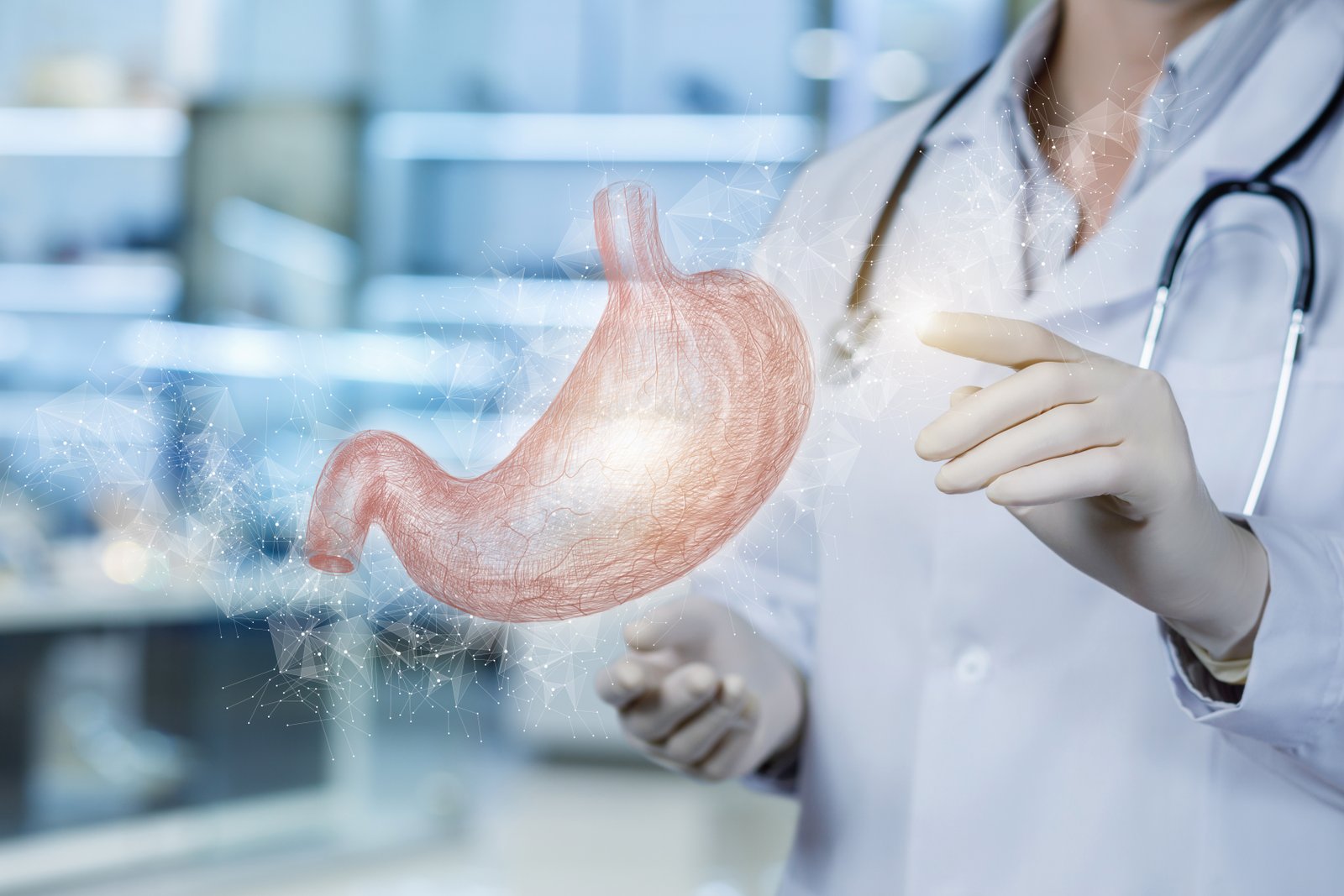
What Is a Bile Duct?
Bile ducts are small tubes that carry bile from the liver and gallbladder to the small intestine. Bile helps the body digest fats and absorb certain nutrients.
The ducts form a network connecting the liver, gallbladder and intestine. If a gallstone becomes lodged in one of these tubes, bile may not be able to flow normally.
How Gallstones Stop Fluid Flow
Gallstones are hard deposits that can form inside the gallbladder. Some stones remain inside the gallbladder without causing symptoms, while others may move into the bile ducts.
If a stone gets stuck inside a bile duct, it can interfere with the normal movement of bile. The resulting pressure and inflammation can cause pain and other symptoms.
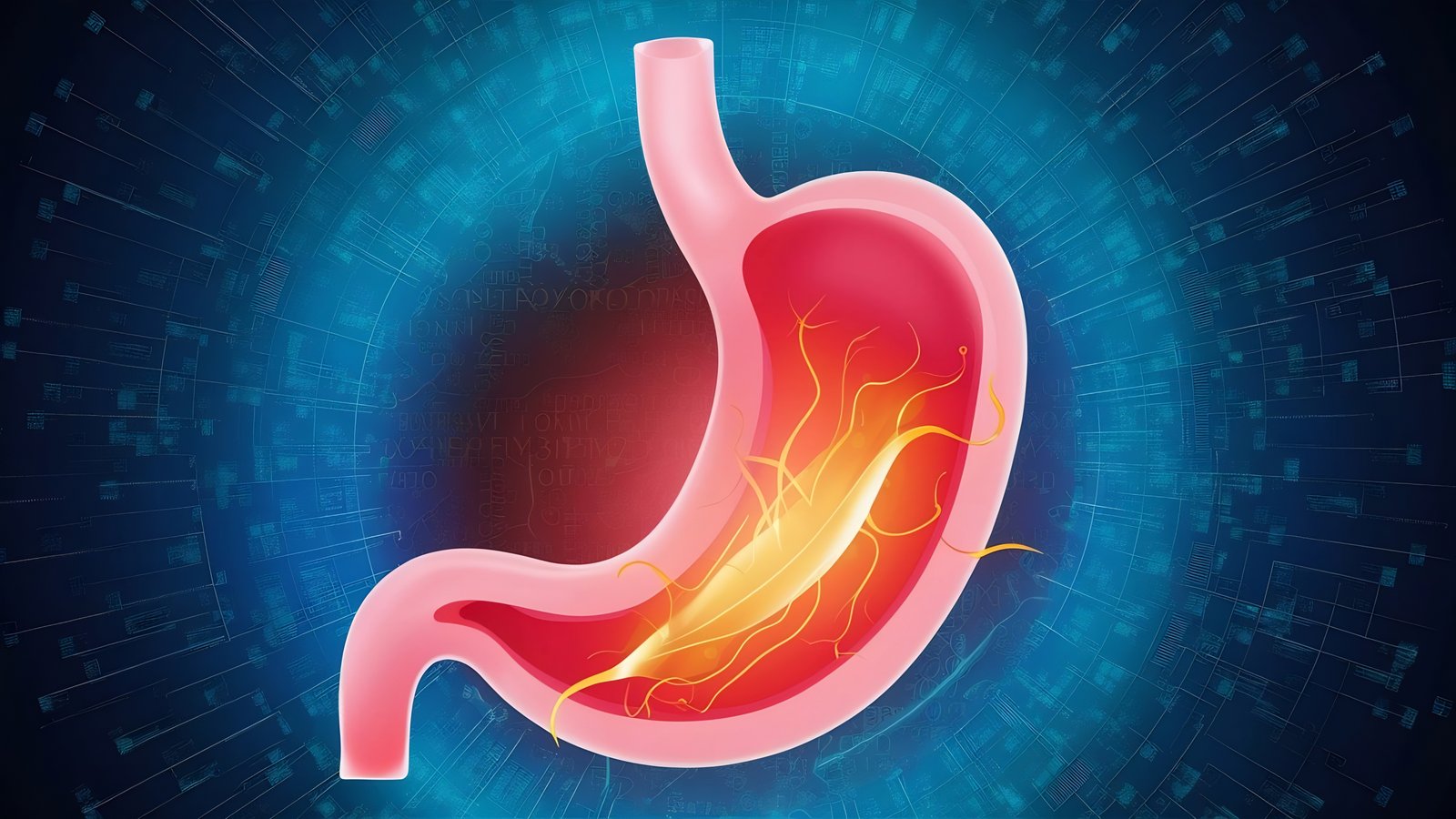

Early Signs of a Blocked Bile Duct
Symptoms can vary from person to person. The following signs may occur when a gallstone blocks the normal flow of bile.
- Sudden Stomach Pain Gallstone-related pain can develop suddenly, particularly in the upper right or upper middle area of the abdomen. Pain may also spread toward the back or right shoulder.
- Yellow Skin and Eyes When bile cannot flow normally, bilirubin can build up in the bloodstream. This may cause yellowing of the skin and the whites of the eyes, known as jaundice.
- Dark Urine and Pale Stools Changes in bile flow can also affect the colour of urine and stools. Urine may become darker while stools may appear unusually pale.
- Nausea and Vomiting A gallstone blockage may be accompanied by nausea, vomiting or a feeling of digestive discomfort.
- Unexplained Fever Fever or chills along with abdominal pain or jaundice can be a warning sign of infection involving the bile ducts and should be assessed urgently.
- Very Itchy Skin A buildup of bile-related substances in the bloodstream can sometimes cause significant itching.
Who Is at Risk?
Gallstones can occur in many people. Certain factors may increase the likelihood of developing gallstones or experiencing complications.
How Doctors Find the Problem
Doctors usually begin with your symptoms, medical history and a physical examination. Blood tests may help identify changes associated with bile duct obstruction or inflammation.
Imaging tests such as ultrasound can help identify gallstones and changes in the biliary system. Depending on the situation, additional imaging or an endoscopic procedure may be recommended.
ERCP, an endoscopic procedure, may be used in selected patients when a stone or obstruction in the common bile duct needs to be evaluated or treated.
When to Visit the Hospital
A blocked bile duct should not be ignored, particularly when symptoms are severe or are getting worse.
Severe or persistent abdominal pain, yellowing of the skin or eyes, fever or chills, repeated vomiting, confusion, or a combination of pain and jaundice.
These symptoms can sometimes indicate a significant obstruction or infection and require prompt medical evaluation.
How to Stay Healthy
Healthy lifestyle habits can support overall digestive and metabolic health. They do not, however, guarantee that gallstones will not form.
- Maintain a healthy and stable body weight.
- Avoid extreme or very rapid weight-loss diets.
- Include a balanced diet with appropriate amounts of fibre-rich foods.
- Stay physically active according to your individual health needs.
- Discuss recurring abdominal symptoms with a qualified doctor.
Don't Ignore the Warning Signs
A gallstone can sometimes move into a bile duct and interfere with the normal flow of bile. Symptoms such as sudden abdominal pain, jaundice, dark urine, pale stools, nausea, fever and itching can provide important clues.
If you experience severe pain, jaundice, fever or other concerning symptoms, timely medical evaluation is important.
Get the Right Evaluation for Your Symptoms
Dr. Sanil Parekh is a Gastroenterologist and Interventional Endoscopist providing evaluation and treatment for digestive and gastrointestinal conditions in Matunga, Mumbai.
Book a ConsultationCommon Questions
Symptoms can include upper abdominal pain, jaundice, dark urine, pale stools, nausea, vomiting, itching and sometimes fever or chills.
Yes. A gallstone can move from the gallbladder into a bile duct and become lodged there, interfering with normal bile flow.
Jaundice can occur when bile flow is obstructed and bilirubin builds up in the bloodstream. New jaundice should be medically evaluated.
Severe abdominal pain, jaundice, fever or chills, repeated vomiting, or feeling very unwell can require urgent medical assessment.
In selected cases, ERCP can be used to diagnose and treat stones or obstruction in the common bile duct. The appropriate treatment depends on the individual patient's condition.
Research information regarding gallstone disease and its complications:
https://pmc.ncbi.nlm.nih.gov/articles/PMC6396618/
 Google Reviews

