Double Balloon Enteroscopy for Small Intestine Evaluation
A specialized minimally invasive procedure that helps doctors travel deep into the small intestine to diagnose hidden problems and perform treatment during the same examination.
Advanced Endoscopy Guide
8 Min Read
Matunga, Mumbai
For decades, the small intestine was famously known among gastroenterologists as the "black box" of the digestive system. Because of its incredible length of over twenty feet and its complex looping anatomy, it was notoriously difficult to reach. If you have ever dealt with chronic abdominal pain, unexplained anemia, or mysterious gastrointestinal bleeding only to be told your standard endoscopy and colonoscopy looked completely normal, you know exactly how frustrating this medical blind spot can be.
Fortunately, that era of diagnostic guesswork is officially over. Double balloon enteroscopy is a specialized and minimally invasive procedure that has completely revolutionized how doctors explore the small bowel. Instead of relying on invasive open surgeries or incomplete imaging, specialists can now navigate deep into the digestive tract to find and fix issues simultaneously. The clinical results are highly encouraging. Recent studies from major medical centers in Mumbai report that double balloon enteroscopy achieves an impressive diagnostic yield of over 75 percent for obscure small bowel disorders.
Whether you are seeking answers for unexplained internal bleeding or monitoring a condition like Crohn disease, understanding your options is the first step toward reclaiming your health. In this guide, we are going to explore exactly how double balloon enteroscopy works, the unique advantages it offers over older technologies, and what you can expect if your doctor recommends it for your small intestine evaluation.
Deep Small Bowel Access
Diagnosis and Treatment
No Abdominal Incision
Expert evaluation helps determine whether unexplained symptoms may be coming from the small intestine
The Diagnostic Challenge
The Challenge of Examining the Small Intestine
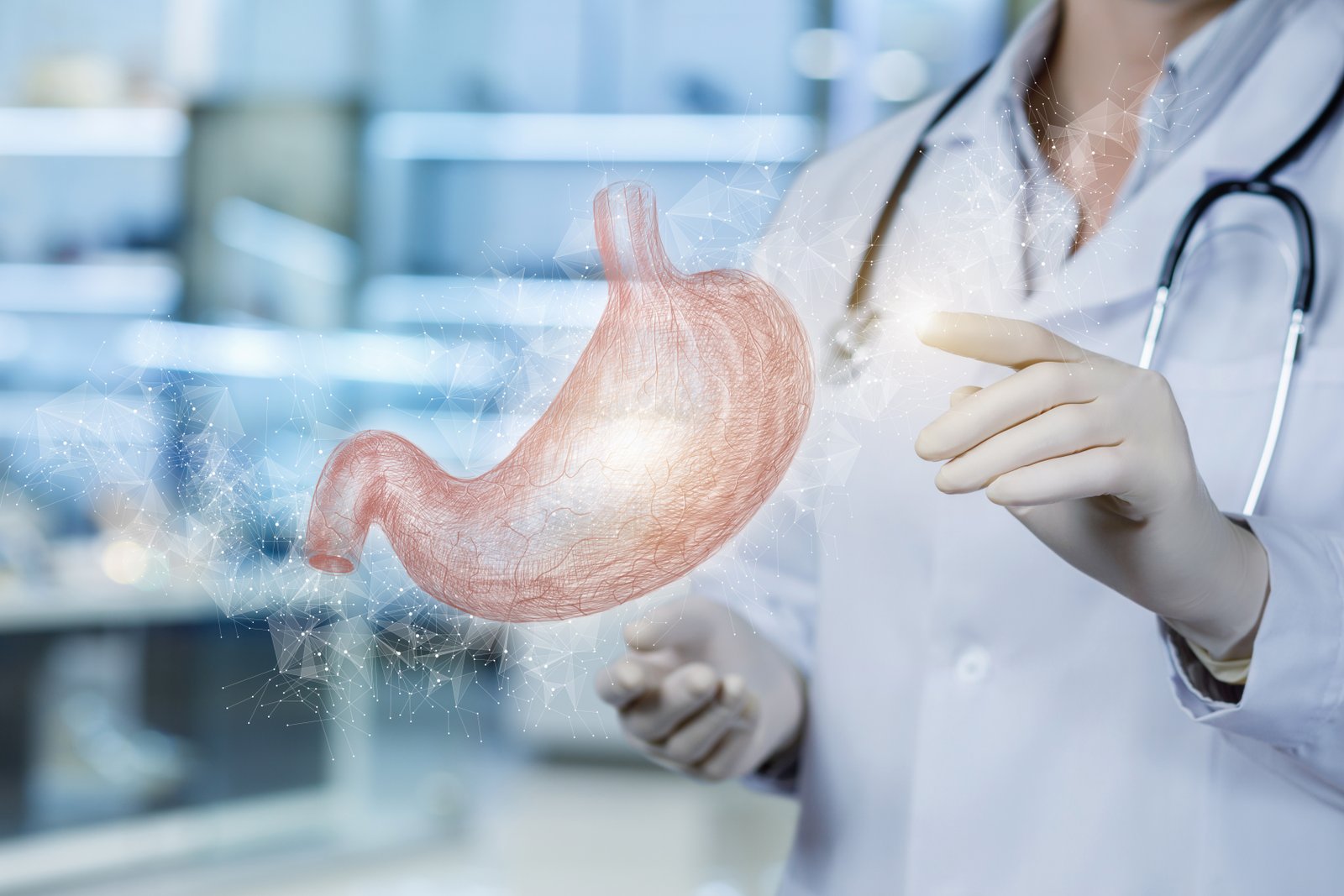
Your digestive tract is a very long tube. While traditional upper endoscopies easily view the stomach and colonoscopies inspect the large intestine the vast middle section remains out of reach for standard equipment. This middle section is the small intestine. Because it is highly coiled and constantly moving doctors historically struggled to see inside it without performing invasive abdominal surgery.
Advanced Technology
Introducing Double Balloon Enteroscopy
Invented in the early 2000s this technique was a massive breakthrough. It finally gave doctors a way to safely explore the entire small intestine from the inside without making a single surgical cut on the abdomen.
How It Works
The Mechanics of the Procedure
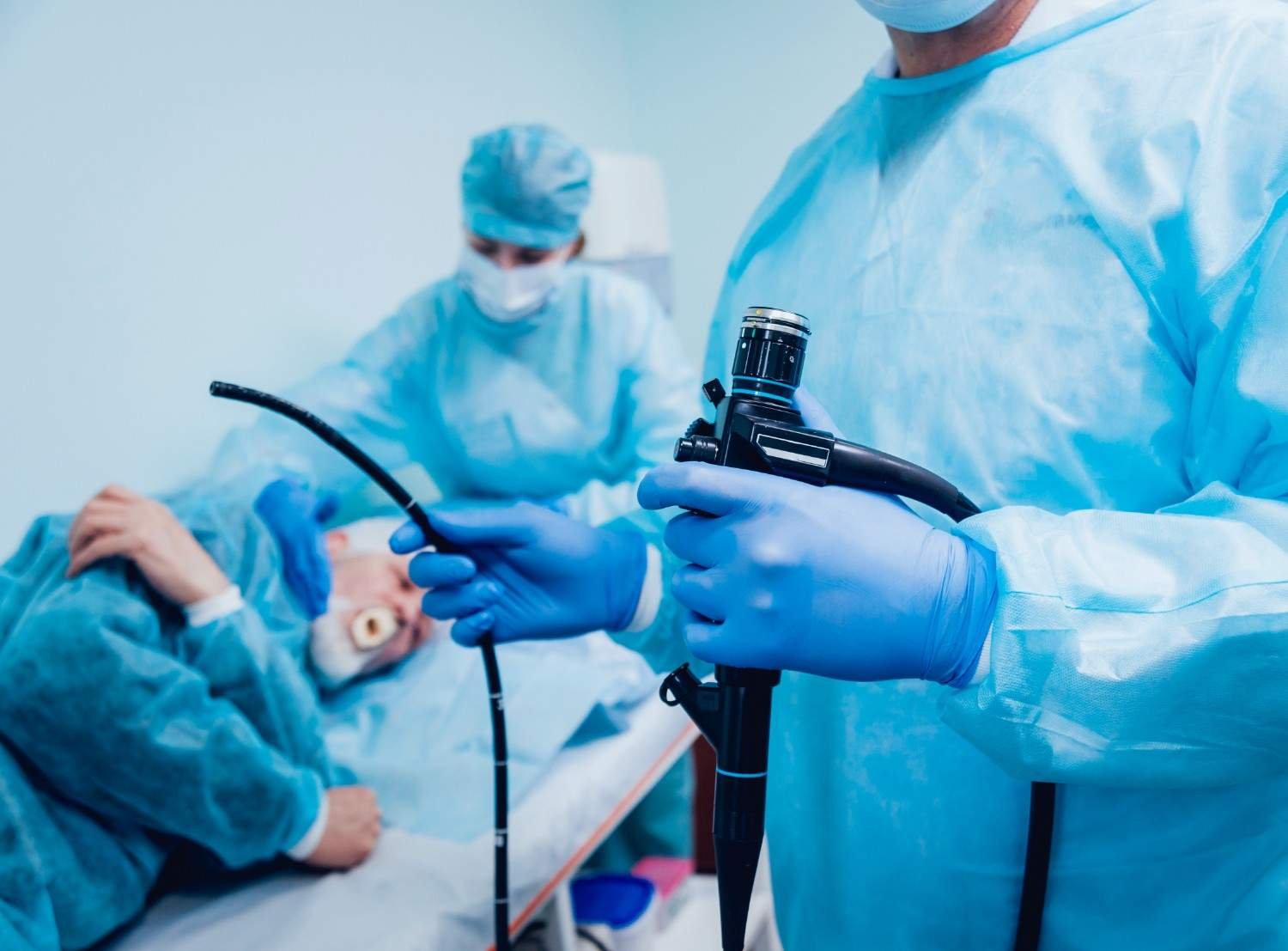
The equipment consists of a long flexible camera tube and an outer sleeve called an overtube. Both of these tubes have a small inflatable balloon at their tips. By sequentially inflating and deflating these balloons while gently advancing the scope the doctor can slowly pull the small intestine over the tube. You can think of it like scrunching a long curtain onto a curtain rod. This inchworm movement allows the camera to travel much deeper than ever before.
The balloon-assisted technique helps the endoscope travel deeper into the small bowel
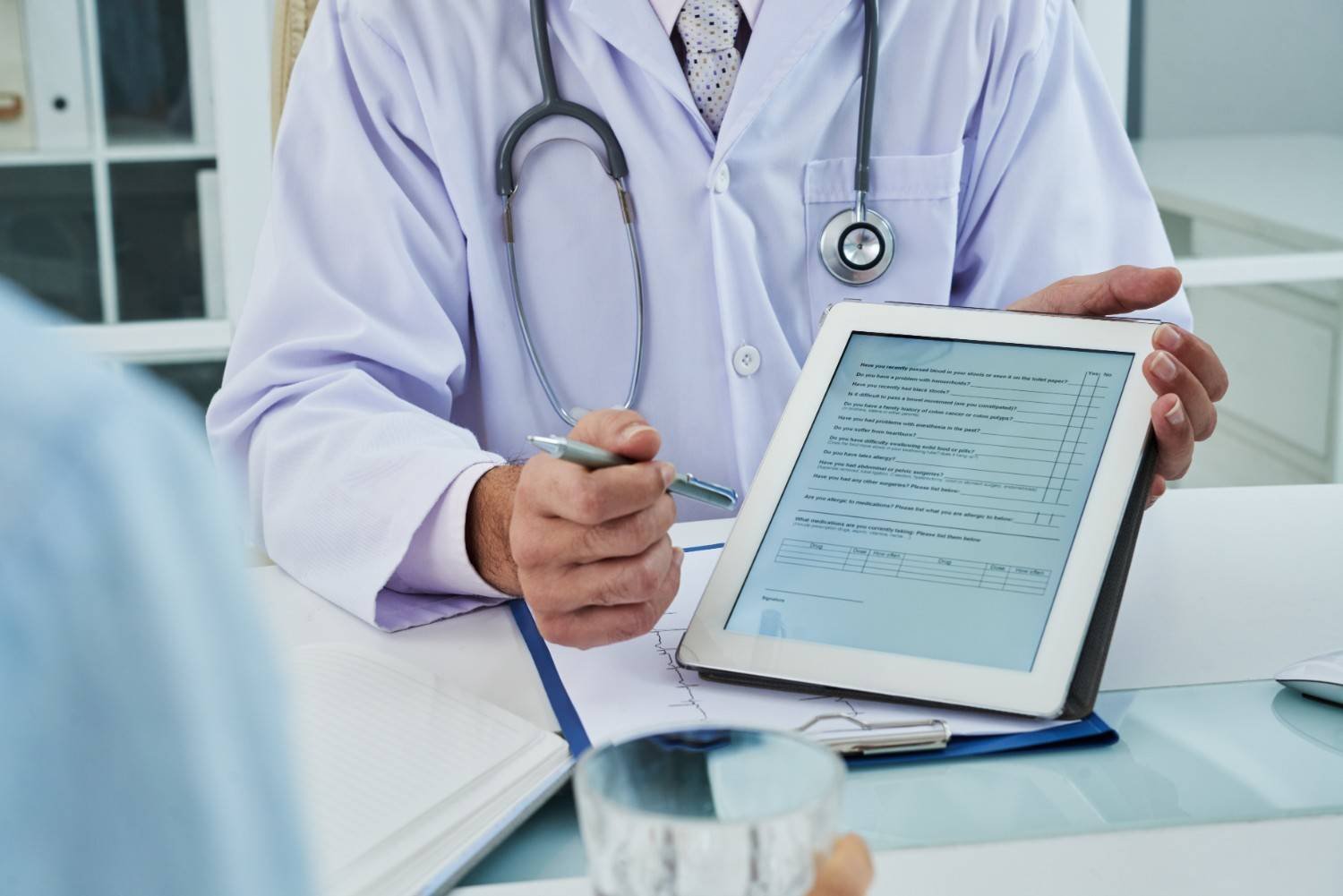
Previous test results help doctors plan the safest route and purpose of the examination
Why It Is Recommended
Common Diagnostic Indications
Doctors recommend this advanced evaluation when you have persistent digestive symptoms but standard tests come back clear.
Hidden Bleeding
Unexplained Gastrointestinal Bleeding
If you are losing blood internally or suffering from severe anemia but your stomach and colon look perfectly healthy the small intestine is usually the culprit. This scope helps doctors locate hidden bleeding sources like abnormal blood vessels.
Hidden Growths
Small Bowel Tumors and Polyps
Although rare tumors can grow in the small intestine. This procedure is incredibly effective at finding adenocarcinomas lymphomas and benign growths like lipomas that hide deep within the bowel loops.
Inflammation and Monitoring
Inflammatory Bowel Disease and Short Bowel Syndrome
For patients with Crohn disease this test allows doctors to assess the extent of inflammation and ulceration. It is also highly useful for patients with short bowel syndrome because it helps doctors accurately measure the remaining healthy intestine and monitor for any cellular changes.
Unexplained gastrointestinal bleeding
Severe or persistent anemia
Small bowel tumors
Small bowel polyps
Crohn disease assessment
Short bowel syndrome monitoring
Treatment During the Test
Therapeutic Interventions
The true superpower of this technology is that it is not just for taking pictures. Doctors can actively treat the problems they find right then and there.
Samples and Removal
Tissue Biopsy and Removal
If the doctor spots a suspicious growth or polyp they can pass tiny instruments through the scope to remove it or take a tissue sample for laboratory testing.
Immediate Treatment
Bleeding Control and Stricture Dilation
When active bleeding is discovered the specialist can apply heat therapy or tiny clips to seal the blood vessel immediately. If a section of the bowel is dangerously narrowed due to scar tissue the doctor can use a special balloon to gently stretch and open the pathway.
Need Answers for Unexplained Bleeding or Anemia?
Get expert guidance on whether double balloon enteroscopy may help identify and treat a hidden small intestine condition.
You might wonder why your doctor would choose this specific procedure over other available tests.
Capsule Endoscopy
Advantages Over Capsule Endoscopy
Swallowing a pill camera is a great way to get photos of your small intestine. However a pill camera cannot take biopsies remove polyps or stop active bleeding. Additionally pill cameras carry a risk of getting stuck if your bowel has a narrowed section. The double balloon method solves all of these problems.
Push Enteroscopy
Differences From Push Enteroscopy
Standard push enteroscopy uses a slightly longer scope to push past the stomach. Unfortunately it can only reach the very top section of the small intestine. The balloon method reaches significantly further and can even evaluate the entire small bowel if approached from both the mouth and the rectum.
Deeper Reach Than Push Enteroscopy
Biopsy and Treatment Capability
More Than Diagnostic Images
What to Expect
The Patient Journey
Knowing what to expect can help calm any nerves you might have about the procedure.
Before the Procedure
Preparing for the Examination
Your preparation will depend on whether the doctor inserts the scope through your mouth or your rectum. You will generally need to fast for several hours. If the rectal approach is chosen you will also need to drink a bowel cleansing solution the day before to ensure the intestinal walls are perfectly clean and visible.
During the Procedure
The Procedure Experience
Because navigating the small intestine is complex and takes time you will receive deep sedation or general anesthesia. You will be completely asleep and comfortable. The entire process typically takes anywhere from one to three hours depending on whether any therapeutic treatments are required.
After the Procedure
Recovery and Lifestyle Adjustments
When you wake up you might feel groggy from the anesthesia and experience some mild bloating or a sore throat. Your doctor will likely advise you to rest for the remainder of the day and avoid driving. You can usually start with light meals and return to your normal diet within a couple of days.
1
Follow the fasting or bowel-cleansing instructions given for the chosen approach.
2
Expect deep sedation or general anesthesia during the examination.
3
Arrange for someone to take you home because you should not drive afterward.
4
Rest for the remainder of the day and begin with light meals as advised.
Safety
Safety Profile and Potential Risks
This procedure is widely considered safe and highly effective. However like any medical intervention it carries a small amount of risk. Minor side effects include temporary abdominal discomfort. Extremely rare but serious complications can include acute pancreatitis internal bleeding or a tear in the intestinal wall especially if a large polyp was removed. Your medical team will monitor you closely to ensure a smooth recovery.
Conclusion
Advanced Small Intestine Evaluation Without Open Surgery
Double balloon enteroscopy has truly changed the landscape of digestive healthcare. By providing deep access into the small intestine this advanced technology allows doctors to diagnose and treat hidden conditions in a single noninvasive procedure. Patients no longer have to endure the uncertainty of unexplained symptoms or the long recovery times associated with open surgery.
If you or a loved one are struggling with mysterious gastrointestinal issues getting an expert evaluation is the most important step you can take. Dr Sanil Parekh is a highly skilled Gastroenterologist and Interventional Endoscopist based in Matunga Mumbai who specializes in advanced endoscopic procedures. Contact his clinic today to schedule a comprehensive consultation and find out if double balloon enteroscopy is the right choice to restore your digestive health.
Need a Small Intestine Evaluation?
Consult Dr. Sanil Parekh in Matunga, Mumbai, for expert guidance on advanced endoscopic evaluation and treatment.
Key information about double balloon enteroscopy, preparation, treatment capabilities, recovery, and safety.
01
What is double balloon enteroscopy?
It is a specialized endoscopic procedure that uses a long flexible scope, an overtube, and two inflatable balloons to travel deep into the small intestine.
02
Why is the procedure recommended?
Doctors may recommend it for unexplained gastrointestinal bleeding, severe anemia, suspected small bowel tumors or polyps, Crohn disease, strictures, and other symptoms not explained by standard tests.
03
Can the doctor treat a problem during the same procedure?
Yes. The doctor may take a biopsy, remove a polyp, control bleeding with heat or clips, or dilate a narrowed section when appropriate.
04
How is it different from capsule endoscopy?
A capsule camera can take pictures, but it cannot take biopsies, remove growths, stop bleeding, or open a stricture. Double balloon enteroscopy can perform these interventions.
05
Will I be awake during double balloon enteroscopy?
The procedure is generally performed under deep sedation or general anesthesia so that you remain asleep and comfortable.
06
What can I expect after the procedure?
You may feel groggy and have mild bloating or a sore throat. Rest, avoid driving, and follow the diet and recovery instructions provided by your medical team.
Patient Experiences
What Patients Say
Read experiences shared by patients who consulted Dr. Sanil Parekh for
digestive and gastroenterology concerns.
Google Reviews
T
Tiana
I had an exceptional experience with Dr. Sanil Parekh. His expertise was instrumental in addressing my persistent digestive issues. He conducted a comprehensive evaluation, explaining each step carefully and addressing all my concerns with patience and empathy. I highly recommended Dr. Sanil Parekh to anyone in need of gastroenterological care.
N
Nitin Agnihotri
I had indigestion issues since last many years. I visited Dr. Sanil Parekh at his Dadar clinic for treatment. Dr. Sanil listened to all my issues patiently and recommended the medicines and diet. Since then I never had any problems related to indigestion, acidity etc. My sincere thanks to Dr. Sanil Parekh.
M
Mahesh Jain
My spouse had acidity problems and I had severe constipation symptoms. We consulted Dr. Sanil Parekh at Lifeline Clinic. He was very approachable, heard us out patiently, understood the problem and took time to explain the treatment. His approach was refreshing and included practical diet changes.
P
Prashant Kawde
Dr. Sanil Parekh is known as One Of Best Gastroenterologist in Parel.
S
Sahil Ahirwar
Had an excellent experience with Dr. Sanil Parekh at Parel Hospital. He is highly knowledgeable, patient, and takes the time to explain the diagnosis clearly. The treatment provided was highly effective. Strongly recommend him for any stomach or digestive issues.
M
Meghana Joshi
I came to Parel Hospital for fatty liver and stomach problems. Met Dr. Sanil Parekh Sir. After the treatment I am feeling much better now. Thanks to Sanil Sir for their guidance and support. He is very polite and explaining in very clear manner. I am fully satisfied with the treatment given to me. A very good experience with Dr. Sanil Parekh Sir.
S
Sanam Jamadar
I had suffered digestive problem. Dr. Sanil Parekh provided exceptional care from diagnosis to recovery. His attention to detail and genuine concern made all the difference. Now I am feeling much better. Thank you.
S
Shreyasi
Had consulted Dr Parekh a couple of years back for severe GERD. My experience was that he took the time to listen and understand my symptoms which prior doctors had not done. For patients who are already suffering, finding the right doctor is a boon but finding one who leads with proficiency and empathy is rare - definitely recommend.
S
Sahil Ahirwar
Best gastroenterologist in dadar. Excellent doctor! Dr. Sanil Parekh listened carefully and provided a highly effective treatment.
T
Tiana
I had an exceptional experience with Dr. Sanil Parekh. His expertise was instrumental in addressing my persistent digestive issues. He conducted a comprehensive evaluation, explaining each step carefully and addressing all my concerns with patience and empathy. I highly recommended Dr. Sanil Parekh to anyone in need of gastroenterological care.
N
Nitin Agnihotri
I had indigestion issues since last many years. I visited Dr. Sanil Parekh at his Dadar clinic for treatment. Dr. Sanil listened to all my issues patiently and recommended the medicines and diet. Since then I never had any problems related to indigestion, acidity etc. My sincere thanks to Dr. Sanil Parekh.
M
Mahesh Jain
My spouse had acidity problems and I had severe constipation symptoms. We consulted Dr. Sanil Parekh at Lifeline Clinic. He was very approachable, heard us out patiently, understood the problem and took time to explain the treatment. His approach was refreshing and included practical diet changes.
P
Prashant Kawde
Dr. Sanil Parekh is known as One Of Best Gastroenterologist in Parel.
S
Sahil Ahirwar
Had an excellent experience with Dr. Sanil Parekh at Parel Hospital. He is highly knowledgeable, patient, and takes the time to explain the diagnosis clearly. The treatment provided was highly effective. Strongly recommend him for any stomach or digestive issues.
M
Meghana Joshi
I came to Parel Hospital for fatty liver and stomach problems. Met Dr. Sanil Parekh Sir. After the treatment I am feeling much better now. Thanks to Sanil Sir for their guidance and support. He is very polite and explaining in very clear manner. I am fully satisfied with the treatment given to me. A very good experience with Dr. Sanil Parekh Sir.
S
Sanam Jamadar
I had suffered digestive problem. Dr. Sanil Parekh provided exceptional care from diagnosis to recovery. His attention to detail and genuine concern made all the difference. Now I am feeling much better. Thank you.
S
Shreyasi
Had consulted Dr Parekh a couple of years back for severe GERD. My experience was that he took the time to listen and understand my symptoms which prior doctors had not done. For patients who are already suffering, finding the right doctor is a boon but finding one who leads with proficiency and empathy is rare - definitely recommend.
S
Sahil Ahirwar
Best gastroenterologist in dadar. Excellent doctor! Dr. Sanil Parekh listened carefully and provided a highly effective treatment.
M
Meghana Joshi
I came to Parel Hospital for fatty liver and stomach problems. Met Dr. Sanil Parekh Sir. After the treatment I am feeling much better now. Thanks to Sanil Sir for their guidance and support. He is very polite and explaining in very clear manner. I am fully satisfied with the treatment given to me. A very good experience with Dr. Sanil Parekh Sir.
S
Sanam Jamadar
I had suffered digestive problem. Dr. Sanil Parekh provided exceptional care from diagnosis to recovery. His attention to detail and genuine concern made all the difference. Now I am feeling much better. Thank you.
S
Shreyasi
Had consulted Dr Parekh a couple of years back for severe GERD. My experience was that he took the time to listen and understand my symptoms which prior doctors had not done. For patients who are already suffering, finding the right doctor is a boon but finding one who leads with proficiency and empathy is rare - definitely recommend.
S
Sahil Ahirwar
Best gastroenterologist in dadar. Excellent doctor! Dr. Sanil Parekh listened carefully and provided a highly effective treatment.
T
Tiana
I had an exceptional experience with Dr. Sanil Parekh. His expertise was instrumental in addressing my persistent digestive issues. He conducted a comprehensive evaluation, explaining each step carefully and addressing all my concerns with patience and empathy. I highly recommended Dr. Sanil Parekh to anyone in need of gastroenterological care.
N
Nitin Agnihotri
I had indigestion issues since last many years. I visited Dr. Sanil Parekh at his Dadar clinic for treatment. Dr. Sanil listened to all my issues patiently and recommended the medicines and diet. Since then I never had any problems related to indigestion, acidity etc. My sincere thanks to Dr. Sanil Parekh.
M
Mahesh Jain
My spouse had acidity problems and I had severe constipation symptoms. We consulted Dr. Sanil Parekh at Lifeline Clinic. He was very approachable, heard us out patiently, understood the problem and took time to explain the treatment. His approach was refreshing and included practical diet changes.
P
Prashant Kawde
Dr. Sanil Parekh is known as One Of Best Gastroenterologist in Parel.
S
Sahil Ahirwar
Had an excellent experience with Dr. Sanil Parekh at Parel Hospital. He is highly knowledgeable, patient, and takes the time to explain the diagnosis clearly. The treatment provided was highly effective. Strongly recommend him for any stomach or digestive issues.
M
Meghana Joshi
I came to Parel Hospital for fatty liver and stomach problems. Met Dr. Sanil Parekh Sir. After the treatment I am feeling much better now. Thanks to Sanil Sir for their guidance and support. He is very polite and explaining in very clear manner. I am fully satisfied with the treatment given to me. A very good experience with Dr. Sanil Parekh Sir.
S
Sanam Jamadar
I had suffered digestive problem. Dr. Sanil Parekh provided exceptional care from diagnosis to recovery. His attention to detail and genuine concern made all the difference. Now I am feeling much better. Thank you.
S
Shreyasi
Had consulted Dr Parekh a couple of years back for severe GERD. My experience was that he took the time to listen and understand my symptoms which prior doctors had not done. For patients who are already suffering, finding the right doctor is a boon but finding one who leads with proficiency and empathy is rare - definitely recommend.
S
Sahil Ahirwar
Best gastroenterologist in dadar. Excellent doctor! Dr. Sanil Parekh listened carefully and provided a highly effective treatment.
T
Tiana
I had an exceptional experience with Dr. Sanil Parekh. His expertise was instrumental in addressing my persistent digestive issues. He conducted a comprehensive evaluation, explaining each step carefully and addressing all my concerns with patience and empathy. I highly recommended Dr. Sanil Parekh to anyone in need of gastroenterological care.
N
Nitin Agnihotri
I had indigestion issues since last many years. I visited Dr. Sanil Parekh at his Dadar clinic for treatment. Dr. Sanil listened to all my issues patiently and recommended the medicines and diet. Since then I never had any problems related to indigestion, acidity etc. My sincere thanks to Dr. Sanil Parekh.
M
Mahesh Jain
My spouse had acidity problems and I had severe constipation symptoms. We consulted Dr. Sanil Parekh at Lifeline Clinic. He was very approachable, heard us out patiently, understood the problem and took time to explain the treatment. His approach was refreshing and included practical diet changes.
P
Prashant Kawde
Dr. Sanil Parekh is known as One Of Best Gastroenterologist in Parel.
S
Sahil Ahirwar
Had an excellent experience with Dr. Sanil Parekh at Parel Hospital. He is highly knowledgeable, patient, and takes the time to explain the diagnosis clearly. The treatment provided was highly effective. Strongly recommend him for any stomach or digestive issues.