Being diagnosed with gallbladder stones can feel overwhelming, especially when the first thought that comes to mind is surgery. The truth is that non-surgical options exist, but they are suitable only for selected patients.
Gastroenterology Guide
8 Min Read
Dadar, Matunga
Being diagnosed with gallbladder stones can be overwhelming, and for many, it instantly brings up a frightening prospect: surgery.
If you are feeling anxious about the idea of going under the knife, you are certainly not alone. In India, this is a highly common concern, as gallbladder stone disease affects an estimated 6% to 8% of the adult population, with the prevalence being particularly high in the Northern and Eastern regions of the country.
When faced with the intense abdominal pain of a gallstone attack, the first question most patients ask their gastroenterologist is, "Can my gallstones be dissolved without surgery?"
The short answer is: sometimes, but it depends.
Non-Surgical Gallstone Treatment
Strict Patient Criteria
Laparoscopic Cholecystectomy
A proper evaluation helps determine whether gallstones can be managed non-surgically or require advanced intervention.
Treatment Reality
The Reality of Dissolving Gallstones Without Surgery
While medical science has developed several non-surgical treatments, ranging from oral dissolving medications to advanced shockwave and laser therapies, these alternatives come with strict limitations, long treatment timelines, and a high likelihood of the stones returning.
In this article, we will break down the reality of non-surgical gallstone treatments, explore who actually qualifies for them, and explain why traditional, minimally invasive surgery remains the gold standard for most patients.
Understanding Gallbladder Stones
What Are Gallstones and How Do They Form?
Before jumping into treatments, understanding gallbladder stones helps us understand what we are actually dealing with.
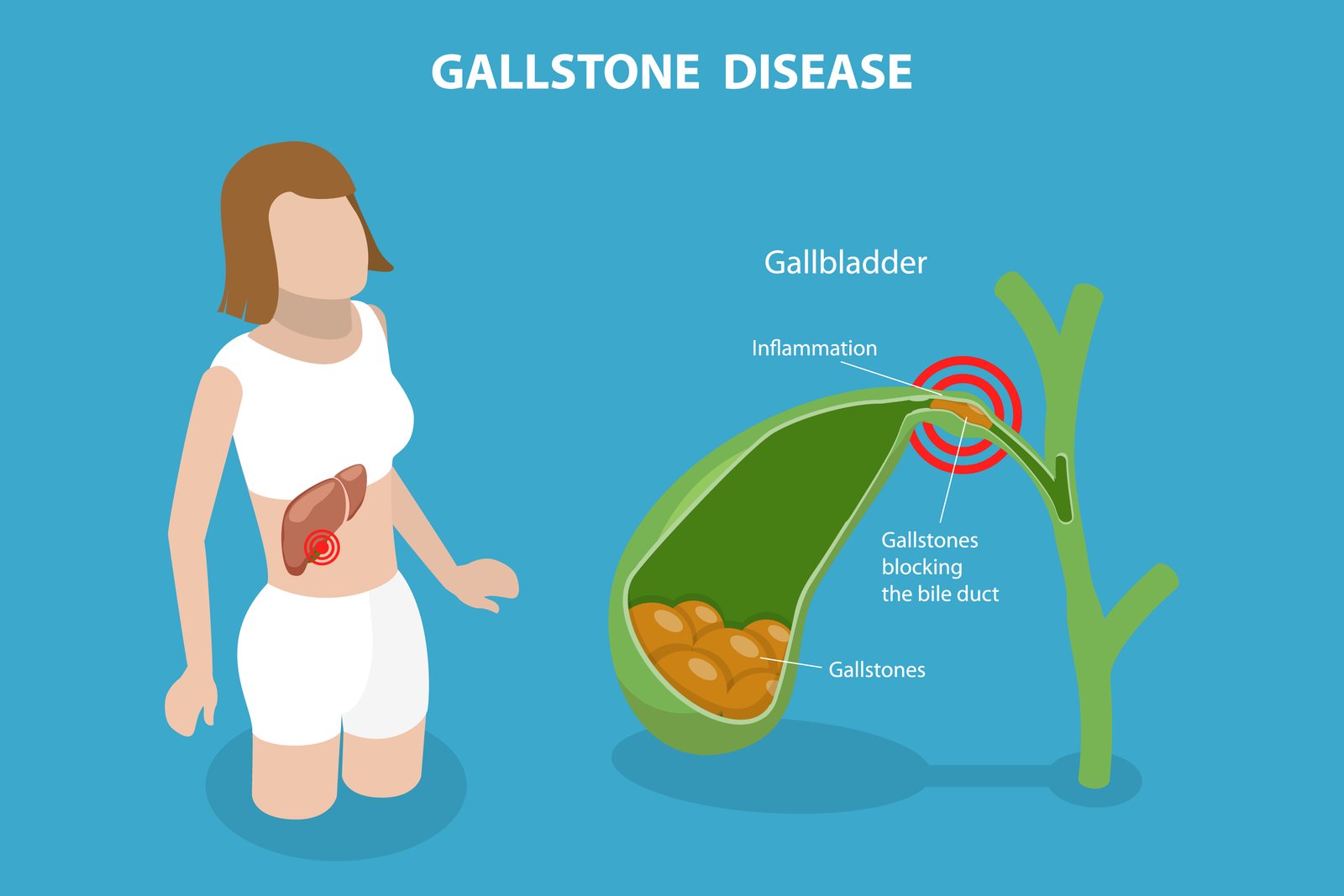
Your gallbladder is a small, pear-shaped organ sitting just under your liver. Its main job is to act like a storage pouch for bile, a digestive fluid produced by your liver that helps break down fats.
Sometimes, the chemical makeup of this bile gets thrown off balance. If there is too much cholesterol or too much bilirubin, which is a waste product, the fluid can harden into solid pieces. These are gallstones.
Gallstones can be as tiny as a grain of sand or as large as a golf ball. While cholesterol stones, which are yellow-greenish, are the most common, pigment stones, which are dark brown or black, can also form depending on your liver health.
Warning Signs
Common Symptoms and Warning Signs
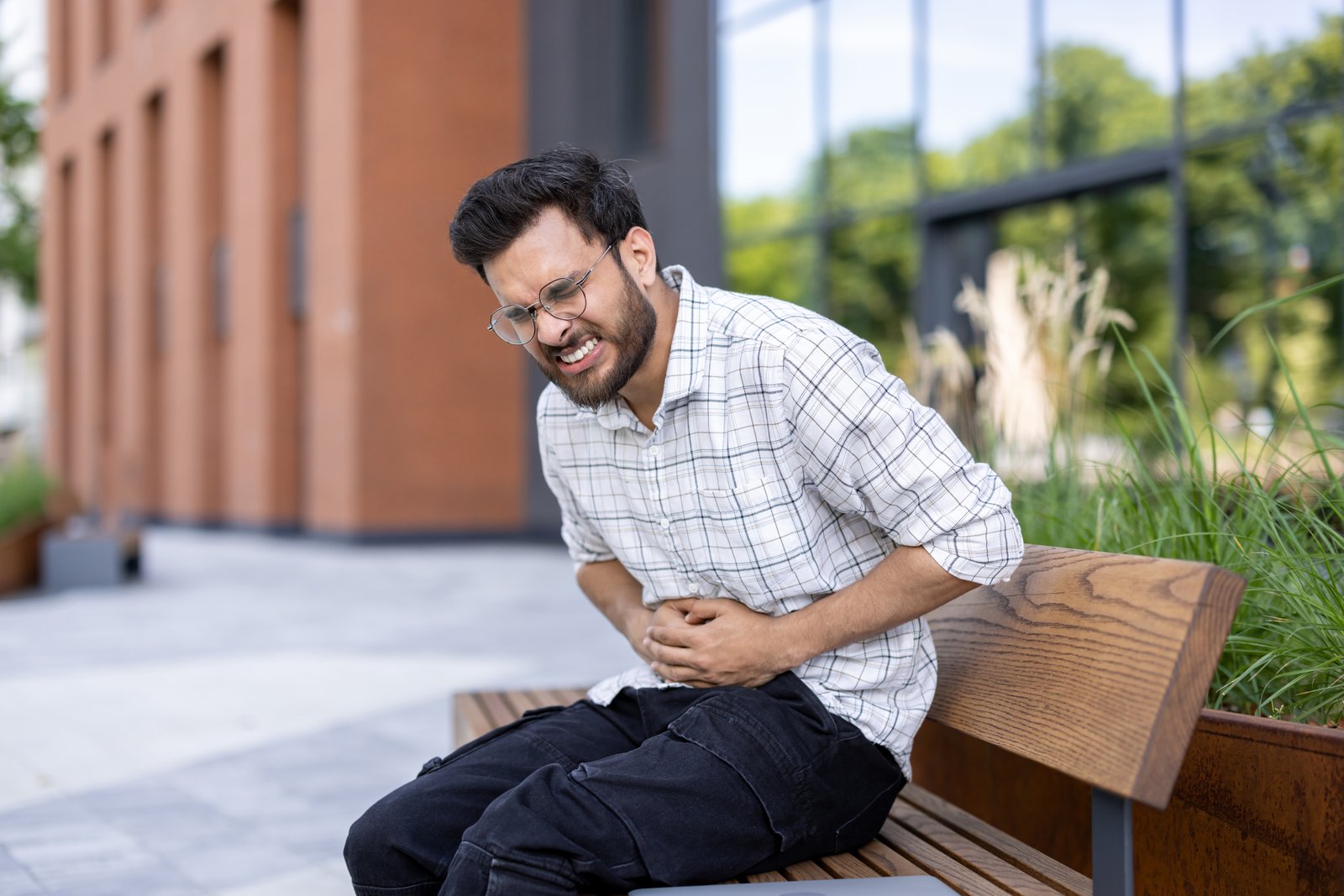
Many people have gallstones and do not even know it. These silent stones usually do not require treatment. However, if a stone moves and blocks one of the ducts leading out of the gallbladder, symptoms can become noticeable and painful.
Common symptoms include:
Sudden, intense pain in the upper right or center of your abdomen
Pain radiating to your right shoulder or between your shoulder blades
Nausea and vomiting
Fever, chills, or jaundice if an infection or severe blockage occurs
Timely consultation can help evaluate abdominal pain caused by gallstones.
Proper diagnosis helps identify whether stones are silent, symptomatic, or causing blockage.
The Short Answer
Can Gallstones Be Dissolved?
Yes, technically, certain types of gallstones can be dissolved or removed without surgery. If you are specifically searching for Non-Surgical Gallstone Treatment, there are options available.
However, these methods are not a magic fix for everyone. They are generally reserved for patients who cannot safely undergo surgery due to age or other severe medical conditions.
Available Options
Non-Surgical Treatment Options
If your doctor determines you are a candidate to skip surgery, here is what your treatment path might look like:
1
Chemical Dissolution: Medicines like ursodiol can be prescribed to thin out bile and slowly dissolve cholesterol stones. While it sounds appealing to just take a pill, it only works on small cholesterol stones, and it can take months or even years to see results.
2
Extracorporeal Shock Wave Lithotripsy: ESWL uses high-frequency sound waves directed from outside the body to shatter gallstones into tiny, passable fragments. It is occasionally used alongside dissolving medicines, but it is rarely recommended today because it does not solve the root problem of a faulty gallbladder that can make more stones.
3
Endoscopic Retrograde Cholangiopancreatography: If a gallstone has escaped the gallbladder and is stuck in the common bile duct, doctors can use ERCP. A flexible tube with a camera is passed down the throat, through the stomach, and into the digestive tract. Special tools can then grab or break up the stone blocking the duct.
4
Percutaneous Cholangioscopy and Dual Modality Lithotripsy: Some specialized hospitals use advanced techniques where a tiny camera and laser are inserted through an existing gallbladder drainage tube. Using shock pulses and ultrasound, doctors can pulverize even massive stones and suction them out. This is highly specialized and not a standard first-line treatment.
Non-surgical treatment depends on stone type, size, symptoms, and overall health condition.
Important Limitations
The Limitations of Non-Surgical Treatments
You might be wondering, if these treatments exist, why are they not offered to everyone?
1
High Rates of Recurrence: Medications and shockwaves leave the gallbladder inside your body. Because the environment that created the stones has not changed, there is a very high probability that the stones will come back as soon as you stop treatment.
2
Long Treatment Duration: To qualify for dissolving pills, your stones must be small, non-calcified, and purely cholesterol-based. If you are actively suffering from agonizing gallstone attacks, you likely do not have months or years to wait for a pill to dissolve the problem.
3
Strict Patient Qualifications: Non-surgical options are usually considered for selected patients who cannot safely undergo surgery due to age or other severe medical conditions.
Recommended Standard
Why Surgery Remains the Recommended Standard
Because of the limitations mentioned above, the definitive cure for gallstones is removing the problematic organ entirely.
Laparoscopic cholecystectomy is considered the gold standard. Forget the massive incisions of the past. Today, the surgeon makes a few tiny, keyhole-sized cuts in the belly, uses a camera, and removes the gallbladder.
The procedure is so efficient that patients often go home the same day or within 24 hours, and recovery only takes a few days.
After Surgery
Living a Normal Life Without a Gallbladder
Can you survive without a gallbladder? Absolutely. Your liver will still make bile; it will just drip continuously into your digestive tract instead of being stored in a pouch.
You might need to watch out for very fatty or greasy meals right after surgery to avoid mild diarrhea, but the body usually adapts quickly.
Lifestyle Guidance
Preventive Measures and Lifestyle Changes
If you want to dissolve gallstones naturally or prevent them from forming in the first place, your best bet is managing your lifestyle.
Eat a fiber-rich diet with fruits, vegetables, and whole grains
Maintain a healthy weight
Avoid rapid weight loss
Lose weight slowly and steadily if required
Stay hydrated throughout the day
Keep bile fluid and less likely to crystallize
Conclusion
Get the Right Medical Opinion for Gallstones
Ultimately, while it is medically possible to dissolve or remove gallstones without surgery, these non-surgical alternatives are not a one-size-fits-all solution. They require strict patient criteria, a great deal of patience, and carry a high risk of the stones eventually returning.
For the vast majority of people, a minimally invasive laparoscopic surgery remains the safest, fastest, and most permanent way to eliminate gallstone pain for good.
If you are experiencing unexplained abdominal pain or have already been diagnosed with gallbladder stones, getting a personalized medical opinion is your best next step. Dr. Sanil Parekh, a highly trusted Gastroenterologist in Dadar, Matunga, can help you navigate your treatment options.
Known for his accurate diagnoses and patient-friendly approach, Dr. Parekh will thoroughly evaluate your condition to determine whether your gallstones can be managed non-surgically or if advanced intervention is required.
Do not wait for a painful gallstone attack to disrupt your life. Contact Dr. Sanil Parekh's clinic in Dadar, Matunga today to schedule your comprehensive digestive health evaluation and get back to living pain-free.
Consult Dr. Sanil Parekh for Gallstone Treatment
Gallstones need a proper diagnosis before deciding between non-surgical management and advanced intervention. Get a personalized digestive health evaluation in Dadar, Matunga.
Everything you need to know about gallstones, non-surgical gallstone treatment, recurrence, and laparoscopic gallbladder surgery.
01
Can gallstones be dissolved without surgery?
Yes, certain gallstones can be dissolved without surgery, but only in selected cases. The stones usually need to be small, non-calcified, and cholesterol-based.
02
Who qualifies for non-surgical gallstone treatment?
Non-surgical treatment is generally reserved for patients who cannot safely undergo surgery due to age or severe medical conditions. A gastroenterologist must evaluate the stone type, size, symptoms, and overall health before recommending it.
03
How long do gallstone dissolving medicines take to work?
Medicines like ursodiol can take months or even years to dissolve suitable cholesterol stones. They may not be practical for patients having repeated painful gallstone attacks.
04
Why do gallstones come back after non-surgical treatment?
Non-surgical treatments leave the gallbladder inside the body. Since the environment that created the stones has not changed, stones may form again after treatment stops.
05
Is laparoscopic cholecystectomy a major surgery?
Laparoscopic cholecystectomy is a minimally invasive procedure done through tiny keyhole-sized cuts. Many patients go home the same day or within 24 hours, and recovery usually takes only a few days.
06
Can I live normally without a gallbladder?
Yes. Your liver continues to produce bile even after gallbladder removal. You may need to avoid very fatty or greasy meals for a short time after surgery, but the body usually adapts quickly.
Patient Experiences
What Patients Say
Read experiences shared by patients who consulted Dr. Sanil Parekh for
digestive and gastroenterology concerns.
Google Reviews
T
Tiana
I had an exceptional experience with Dr. Sanil Parekh. His expertise was instrumental in addressing my persistent digestive issues. He conducted a comprehensive evaluation, explaining each step carefully and addressing all my concerns with patience and empathy. I highly recommended Dr. Sanil Parekh to anyone in need of gastroenterological care.
N
Nitin Agnihotri
I had indigestion issues since last many years. I visited Dr. Sanil Parekh at his Dadar clinic for treatment. Dr. Sanil listened to all my issues patiently and recommended the medicines and diet. Since then I never had any problems related to indigestion, acidity etc. My sincere thanks to Dr. Sanil Parekh.
M
Mahesh Jain
My spouse had acidity problems and I had severe constipation symptoms. We consulted Dr. Sanil Parekh at Lifeline Clinic. He was very approachable, heard us out patiently, understood the problem and took time to explain the treatment. His approach was refreshing and included practical diet changes.
P
Prashant Kawde
Dr. Sanil Parekh is known as One Of Best Gastroenterologist in Parel.
S
Sahil Ahirwar
Had an excellent experience with Dr. Sanil Parekh at Parel Hospital. He is highly knowledgeable, patient, and takes the time to explain the diagnosis clearly. The treatment provided was highly effective. Strongly recommend him for any stomach or digestive issues.
M
Meghana Joshi
I came to Parel Hospital for fatty liver and stomach problems. Met Dr. Sanil Parekh Sir. After the treatment I am feeling much better now. Thanks to Sanil Sir for their guidance and support. He is very polite and explaining in very clear manner. I am fully satisfied with the treatment given to me. A very good experience with Dr. Sanil Parekh Sir.
S
Sanam Jamadar
I had suffered digestive problem. Dr. Sanil Parekh provided exceptional care from diagnosis to recovery. His attention to detail and genuine concern made all the difference. Now I am feeling much better. Thank you.
S
Shreyasi
Had consulted Dr Parekh a couple of years back for severe GERD. My experience was that he took the time to listen and understand my symptoms which prior doctors had not done. For patients who are already suffering, finding the right doctor is a boon but finding one who leads with proficiency and empathy is rare - definitely recommend.
S
Sahil Ahirwar
Best gastroenterologist in dadar. Excellent doctor! Dr. Sanil Parekh listened carefully and provided a highly effective treatment.
T
Tiana
I had an exceptional experience with Dr. Sanil Parekh. His expertise was instrumental in addressing my persistent digestive issues. He conducted a comprehensive evaluation, explaining each step carefully and addressing all my concerns with patience and empathy. I highly recommended Dr. Sanil Parekh to anyone in need of gastroenterological care.
N
Nitin Agnihotri
I had indigestion issues since last many years. I visited Dr. Sanil Parekh at his Dadar clinic for treatment. Dr. Sanil listened to all my issues patiently and recommended the medicines and diet. Since then I never had any problems related to indigestion, acidity etc. My sincere thanks to Dr. Sanil Parekh.
M
Mahesh Jain
My spouse had acidity problems and I had severe constipation symptoms. We consulted Dr. Sanil Parekh at Lifeline Clinic. He was very approachable, heard us out patiently, understood the problem and took time to explain the treatment. His approach was refreshing and included practical diet changes.
P
Prashant Kawde
Dr. Sanil Parekh is known as One Of Best Gastroenterologist in Parel.
S
Sahil Ahirwar
Had an excellent experience with Dr. Sanil Parekh at Parel Hospital. He is highly knowledgeable, patient, and takes the time to explain the diagnosis clearly. The treatment provided was highly effective. Strongly recommend him for any stomach or digestive issues.
M
Meghana Joshi
I came to Parel Hospital for fatty liver and stomach problems. Met Dr. Sanil Parekh Sir. After the treatment I am feeling much better now. Thanks to Sanil Sir for their guidance and support. He is very polite and explaining in very clear manner. I am fully satisfied with the treatment given to me. A very good experience with Dr. Sanil Parekh Sir.
S
Sanam Jamadar
I had suffered digestive problem. Dr. Sanil Parekh provided exceptional care from diagnosis to recovery. His attention to detail and genuine concern made all the difference. Now I am feeling much better. Thank you.
S
Shreyasi
Had consulted Dr Parekh a couple of years back for severe GERD. My experience was that he took the time to listen and understand my symptoms which prior doctors had not done. For patients who are already suffering, finding the right doctor is a boon but finding one who leads with proficiency and empathy is rare - definitely recommend.
S
Sahil Ahirwar
Best gastroenterologist in dadar. Excellent doctor! Dr. Sanil Parekh listened carefully and provided a highly effective treatment.
M
Meghana Joshi
I came to Parel Hospital for fatty liver and stomach problems. Met Dr. Sanil Parekh Sir. After the treatment I am feeling much better now. Thanks to Sanil Sir for their guidance and support. He is very polite and explaining in very clear manner. I am fully satisfied with the treatment given to me. A very good experience with Dr. Sanil Parekh Sir.
S
Sanam Jamadar
I had suffered digestive problem. Dr. Sanil Parekh provided exceptional care from diagnosis to recovery. His attention to detail and genuine concern made all the difference. Now I am feeling much better. Thank you.
S
Shreyasi
Had consulted Dr Parekh a couple of years back for severe GERD. My experience was that he took the time to listen and understand my symptoms which prior doctors had not done. For patients who are already suffering, finding the right doctor is a boon but finding one who leads with proficiency and empathy is rare - definitely recommend.
S
Sahil Ahirwar
Best gastroenterologist in dadar. Excellent doctor! Dr. Sanil Parekh listened carefully and provided a highly effective treatment.
T
Tiana
I had an exceptional experience with Dr. Sanil Parekh. His expertise was instrumental in addressing my persistent digestive issues. He conducted a comprehensive evaluation, explaining each step carefully and addressing all my concerns with patience and empathy. I highly recommended Dr. Sanil Parekh to anyone in need of gastroenterological care.
N
Nitin Agnihotri
I had indigestion issues since last many years. I visited Dr. Sanil Parekh at his Dadar clinic for treatment. Dr. Sanil listened to all my issues patiently and recommended the medicines and diet. Since then I never had any problems related to indigestion, acidity etc. My sincere thanks to Dr. Sanil Parekh.
M
Mahesh Jain
My spouse had acidity problems and I had severe constipation symptoms. We consulted Dr. Sanil Parekh at Lifeline Clinic. He was very approachable, heard us out patiently, understood the problem and took time to explain the treatment. His approach was refreshing and included practical diet changes.
P
Prashant Kawde
Dr. Sanil Parekh is known as One Of Best Gastroenterologist in Parel.
S
Sahil Ahirwar
Had an excellent experience with Dr. Sanil Parekh at Parel Hospital. He is highly knowledgeable, patient, and takes the time to explain the diagnosis clearly. The treatment provided was highly effective. Strongly recommend him for any stomach or digestive issues.
M
Meghana Joshi
I came to Parel Hospital for fatty liver and stomach problems. Met Dr. Sanil Parekh Sir. After the treatment I am feeling much better now. Thanks to Sanil Sir for their guidance and support. He is very polite and explaining in very clear manner. I am fully satisfied with the treatment given to me. A very good experience with Dr. Sanil Parekh Sir.
S
Sanam Jamadar
I had suffered digestive problem. Dr. Sanil Parekh provided exceptional care from diagnosis to recovery. His attention to detail and genuine concern made all the difference. Now I am feeling much better. Thank you.
S
Shreyasi
Had consulted Dr Parekh a couple of years back for severe GERD. My experience was that he took the time to listen and understand my symptoms which prior doctors had not done. For patients who are already suffering, finding the right doctor is a boon but finding one who leads with proficiency and empathy is rare - definitely recommend.
S
Sahil Ahirwar
Best gastroenterologist in dadar. Excellent doctor! Dr. Sanil Parekh listened carefully and provided a highly effective treatment.
T
Tiana
I had an exceptional experience with Dr. Sanil Parekh. His expertise was instrumental in addressing my persistent digestive issues. He conducted a comprehensive evaluation, explaining each step carefully and addressing all my concerns with patience and empathy. I highly recommended Dr. Sanil Parekh to anyone in need of gastroenterological care.
N
Nitin Agnihotri
I had indigestion issues since last many years. I visited Dr. Sanil Parekh at his Dadar clinic for treatment. Dr. Sanil listened to all my issues patiently and recommended the medicines and diet. Since then I never had any problems related to indigestion, acidity etc. My sincere thanks to Dr. Sanil Parekh.
M
Mahesh Jain
My spouse had acidity problems and I had severe constipation symptoms. We consulted Dr. Sanil Parekh at Lifeline Clinic. He was very approachable, heard us out patiently, understood the problem and took time to explain the treatment. His approach was refreshing and included practical diet changes.
P
Prashant Kawde
Dr. Sanil Parekh is known as One Of Best Gastroenterologist in Parel.
S
Sahil Ahirwar
Had an excellent experience with Dr. Sanil Parekh at Parel Hospital. He is highly knowledgeable, patient, and takes the time to explain the diagnosis clearly. The treatment provided was highly effective. Strongly recommend him for any stomach or digestive issues.